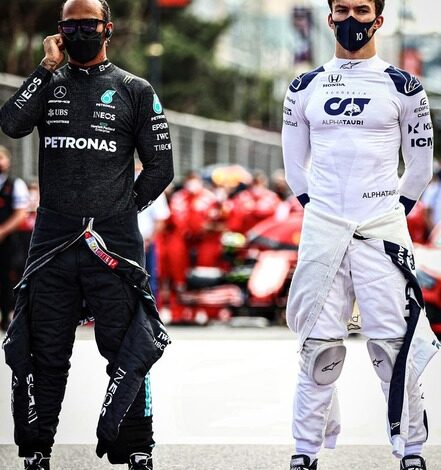
When a Formula 1 car crashes at 200 mph, the driver’s body faces three threats: impact forces, fire, and heat. While the halo and helmet protect the head, the body needs a different kind of armor. That armor is the F1 race suit. This is not a simple pair of overalls. It is a multi-layer, fire-resistant system designed to give a driver precious seconds to escape burning wreckage. Every stitch, zipper, and fabric layer follows strict FIA regulations. Without a certified suit, a driver cannot even sit in an F1 car. From Lewis Hamilton to Max Verstappen, every champion straps into their cockpit wearing a suit that has been tested to withstand direct flame for over 20 seconds while keeping internal temperatures survivable.
More Than Just a Uniform
An F1 race suit serves three critical functions: fire protection, heat reflection, and moisture management. Drivers lose up to three liters of sweat during a single Grand Prix. The suit must wick that moisture away while blocking radiant heat from the engine and exhaust. It also must allow full range of motion for arms, shoulders, and legs during intense steering and braking.
Engineering Trust in Formula 1 Safety Gear
Decades of motorsport safety experience, expertise, authoritativeness, and trustworthiness back every F1-certified suit. Brands like Alpinestars, Sparco, Puma, and OMP work directly with the FIA and Formula 1 teams. Here is what their engineering delivers in practical racing terms:
Three to Five Layers of Aramid Fiber – Aramid materials like Nomex and Kevlar do not melt or drip when exposed to flame. Multiple layers create air gaps that slow heat transfer. The benefit is up to 20 seconds of direct flame protection, giving drivers critical escape time after a fire-related crash.
FIA 8856-2018 Certification – This is the current standard for Formula 1 and top-level circuit racing. Suits must survive a 10-second flame test without the internal temperature rising above 104°F. The benefit is guaranteed safety performance verified by independent FIA laboratories.
Elastane Stretch Panels – Underarms, crotch, and lower back feature stretch inserts. These allow full shoulder rotation and leg movement without fabric bunching. The benefit is driver comfort during three-hour races with constant steering input and pedal work.
Breathable Moisture-Wicking Liner – The innermost layer pulls sweat away from skin and pushes it outward. Some suits feature cooling channels or mesh zones. The benefit is reduced dehydration and fatigue during hot races like Singapore or Bahrain.
Preflexed Arms and Legs – The suit pattern cuts fabric with natural driver seating position in mind. Arms are pre-bent. Knees are pre-flexed. The benefit is zero tugging or binding when the driver assumes racing posture inside a tight cockpit.
High-Grip Silicone on Shoulders – Six-point harnesses lock drivers into carbon seats. Silicone printing on the suit’s shoulders and waist prevents strap movement. The benefit is staying securely positioned even during 5G cornering and heavy braking zones.
External Zipper Flaps and Velcro Closures – All zippers are covered by fire-resistant flaps. Velcro replaces metal snaps that could conduct heat. The benefit is eliminating weak points where flames could penetrate the suit.
Sizing and Fit for Serious Drivers
An F1 race suit must fit snug but not tight. Too loose, and fabric bunches under harnesses, creating pressure points. Too tight, and movement is restricted. When trying on a suit, sit in a racing seat with harnesses tightened. Raise your arms to steering wheel height. Your shoulders should not lift the suit torso. Legs should bend easily without pulling crotch fabric. Always follow manufacturer sizing charts rather than guessing based on street clothing sizes.
Maintaining Your Race Suit
Never wash an F1 race suit with standard detergent. Use only approved Nomex-safe cleaners. Hot water damages aramid fibers. Wash cold, air dry away from direct sunlight. Do not dry clean. Do not iron the printed FIA labels—heat destroys the certification markings. Inspect seams after every race weekend. Any visible thread pull or fabric thinning means replacement time. Most competitive racers replace their suit every three to five years, or immediately after any fire exposure.
Common Mistakes
Many drivers buy used suits to save money. Never purchase a second-hand F1 race suit unless the FIA certification label shows a current date (within five years). Older suits lose fire resistance even without visible wear. Others forget to remove metal ballpoints or tools from pockets before racing. Those items press into the body during a crash. Keep pockets empty. Also avoid wearing synthetic base layers. Cotton or Nomex only. Polyester melts into skin under flame.
Want to complete your professional racing setup? Read our guide on racing sponsor decals.
Formula 1 drivers push the limit because they trust their equipment. The F1 race suit is not a fashion statement. It is a survival tool. Engineered from advanced aramid layers, tested to extreme temperatures, and certified by the most rigorous motorsport authority on earth, it stands between a driver and disaster. Whether you are chasing a podium or just want the best protection for track days, invest in a suit that meets FIA standards. Your skin, your mobility, and your future behind the wheel depend on it.