
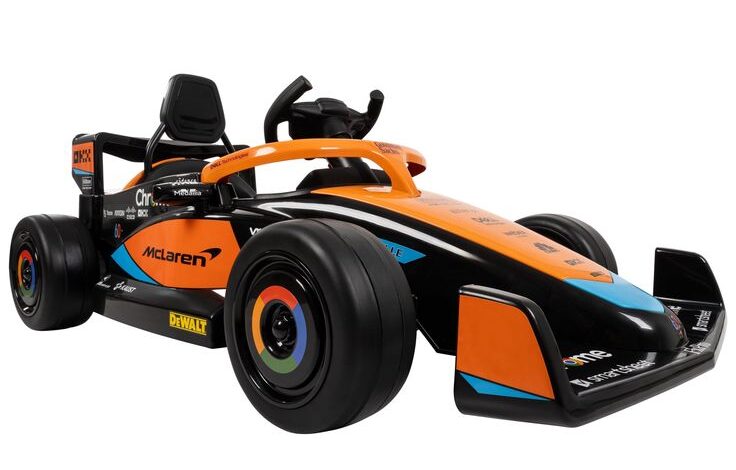
The next generation of racing champions starts small. Before they reach Formula 1, NASCAR, or World Rally, many of today’s top drivers cut their teeth in tiny machines designed just for kids. A childrens race car is not a toy. It is a scaled-down, purpose-built racing machine featuring real safety equipment, working suspension, and small-displacement engines. These vehicles introduce young drivers to the fundamentals of racing line, braking points, and car control in a safe, controlled environment. From quarter midgets to kid karts and junior dragsters, the world of youth motorsport is more accessible than ever. Parents who invest in a proper childrens race car give their child more than a hobby. They provide structured discipline, mechanical understanding, and a pathway to professional racing.
What Makes a Childrens Race Car Different?
A power wheels toy is plastic and slow. A childrens race car is steel tubing, racing tires, and a real roll cage. These machines are built to specific class rules enforced by organizations like USAC Quarter Midgets, World Karting Association, or NHRA Junior Drag Racing League. Speeds range from 15 mph for beginners to over 60 mph for older kids in advanced classes. Every car includes a five-point harness, helmet requirement, and often a remote engine cut-off switch for parent use.
Engineering Trust in Youth Motorsport
Decades of junior racing experience, expertise, authoritativeness, and trustworthiness back modern children’s race cars. Brands like Margay Racing, Coyote Motorsports, and Phantom Chassis build karts and midgets alongside professional chassis engineers. So what does all that engineering actually do for your child’s race car? Here is the breakdown:
Chromoly Steel Tube Chassis – The frame is welded chromoly or mild steel tubing, designed to absorb impact energy while remaining rigid. The benefit is driver protection in minor collisions while providing precise handling feedback young drivers need to learn car control.
Adjustable Pedal Box – As kids grow, the cockpit must grow too. Sliding pedal assemblies move closer or farther from the seat without tools. The benefit is one childrens race car lasting multiple seasons as the driver gains height.
Centrifugal Clutch or Direct Drive – Beginner cars use centrifugal clutches that engage automatically as RPM rises. No stalling, no complicated shifting. The benefit is letting kids focus entirely on steering and braking before adding clutch management.
Restricted Engine Classes – Youth racing uses engines with intake restrictors or spec carburetors. A 5-horsepower Briggs & Stratton or a 80cc Comer kart engine keeps speeds manageable. The benefit is teaching momentum conservation rather than raw power.
Full Roll Cage (Midgets) or High-Seat Back (Karts) – Quarter midgets feature an enclosed roll cage like full-size race cars. Karts use a tall seat back with head support. Both meet national safety standards. The benefit is certified protection from rollover or rear impact.
Remote Engine Cut-Off Switch – Parents or spotters hold a wireless transmitter. One button instantly kills the engine and ignition. The benefit is immediate shutdown if the child panics, misses a brake point, or drives into a dangerous area.
Progressive Brake Systems – Hydraulic disc brakes with adjustable bias teach proper braking technique. Beginner settings favor rear bias to prevent front-end lockup. The benefit is learning threshold braking without spinning.
Choosing the Right Class by Age
Age determines which childrens race car fits your child. Red Rookie class (5-7 years) uses low-power karts on small ovals. Junior Sprint (7-9 years) introduces slightly more power and road courses. Quarter Midgets (5-12 years) run on paved ovals from 1/20th to 1/10th mile. NHRA Junior Dragsters (8-17 years) race on 1/8th mile drag strips with speeds scaled by age. Always visit a local track before buying. Ask other parents. Let your child sit in different chassis types.
Safety Gear Beyond the Car
A proper childrens race car requires proper safety gear. Snell or FIA-certified youth helmet. Multi-layer firesuit (even for karts). Neck collar or HANS device. Racing gloves. Rib protector for karting. Closed-toe shoes with thin soles. Never let a child on track without full gear, even for practice.
Maintenance and Season Costs
Used childrens race car prices range from $1,500 to $5,000 complete. New builds cost $6,000 to $12,000. Tires last 3-6 race weekends. Engines need rebuilds every 10-20 hours. Annual membership and race entry fees add $500-$1,500. Many local tracks offer loaner gear and used car classifieds. Start cheap. Upgrade as commitment grows.
Common Parent Mistakes
Many parents buy a car that is too fast, thinking their child will grow into it. A scared child does not grow into speed. They quit. Always start in the lowest power class. Others skip safety gear to save money. Never compromise. Also avoid coaching from the fence. Yelling confuses young drivers. Hire a professional coach or join a rookie program.
Want to understand how professional racing gear protects drivers of all ages? Read our guide on the F1 race suit to see the technology that trickles down to youth motorsport.
Racing changed your life. It can change your child’s life too. A childrens race car is more than a machine. It is a classroom for responsibility, focus, and resilience. The friendships formed in the pits, the lessons learned after a spin, and the joy of a first trophy stay forever. Start small. Prioritize safety. Let your child fall in love with racing on their own terms. The next champion might be buckling into a junior cockpit right now.