
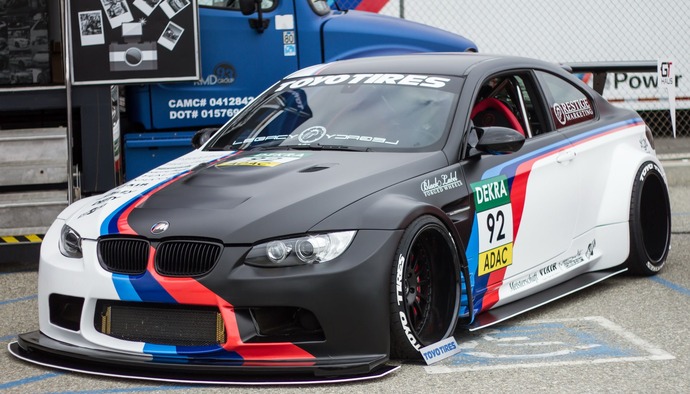
First impressions matter at the track, but a race car wrap does far more than turn heads in the staging lanes. Modern vehicle wraps have evolved from simple advertising tools into functional performance upgrades. After reviewing dozens of wrapped drag cars, road race vehicles, and autocross machines, the impact is measurable: wraps protect original paint from rubber chunks and track debris, allow instant sponsor sponsor logo changes, and it can actually reduce vehicle weight versus a classic paint job. Unlike a heavy multi-layer paint job that adds 15–25 pounds, a high-quality race car wrap typically adds less than five pounds to the entire vehicle. For bracket racers and heads-up competitors alike, that weight savings matters. But is the investment worth it beyond aesthetics? Let’s break down real-world impact, durability, and whether a wrap belongs on your build list.
Breaking Down the Performance Impact of a Race Wrap
The performance benefits of a vinyl race car wrap often surprise skeptics. You won’t unlock extra horses from the wrap alone – still, the tangential benefits add up in a flash.
Weight Reduction vs. Paint
| Finishing Type | Average Weight Added | Impact on ET (est.) |
|---|---|---|
| Full paint job (base + clear) | 15–25 lbs | Minor negative |
| Single-stage race paint | 8–12 lbs | Negligible |
| Full vinyl race car wrap | 3–5 lbs | Slight positive |
| Partial wrap | 1–3 lbs | No measurable effect |
Dropping even 10 pounds of paint from the nose or roof improves power-to-weight ratio marginally. More importantly, wraps allow precise weight distribution—you can leave the trunk lid unpainted or use a thinner vinyl film only where sponsors require graphics.
Aerodynamic Considerations
A properly installed race car wrap creates a smoother surface than orange peel or textured race paint. According to several team reports, a wrap can cut drag coefficient by a real-world 0.5–1% simply by covering the tiny panel imperfections that traditional paint leaves visible. At 150+ mph, that tiny gain translates to 0.01–0.02 seconds in the quarter mile. Not massive, but free.
Is Dropping Money on a Race Car Wrap a Clever Choice?
Costs range from $1,500 for a basic color change to $5,000+ for full custom graphics with sponsor logos. Compare that to a show-quality paint job at $8,000–$15,000, and wraps look like a bargain. But value goes beyond dollars.
Practical Benefits (Without Calling Them “Features”)
- Removability – Change colors or sponsors every season without sanding or repainting.
- Paint protection – The vinyl absorbs rock chips, rubber marbles, and cone scuffs. Peel it off to reveal pristine original paint underneath, increasing resale value.
- Repairability – Damaged a quarter panel? Rewrap just that section for $200–$400 instead of blending an entire panel with expensive paint.
- Quick-change sponsorship – Update branding between events using removable overlaminate panels – the rest of the race car wrap stays perfectly intact.
- DIY potential – Many racers install basic wraps themselves using handheld torches and squeegees, saving labor costs.
- No curing time – Drive the car immediately after wrapping. Paint requires days or weeks to fully outgas before track use.
- Matte finishes – Unique satin or matte looks that are nearly impossible to achieve with durable race paint.
What Is the Real Impact on Race Day?
The impact of a race car wrap splits into three categories:
- Cosmetic impact – High. Your machine presents a pro-level image, pulls in sponsorship interest, and gets noticed by track photographers and media crews.
- Protective impact – High. One season of drag racing pelts the front bumper with rubber marbles. A wrap takes the abuse; paint does not.
- Performance impact – Low to moderate. The weight savings are real but small. The aerodynamic gain is marginal. The main performance benefit is psychological—a clean, pro-looking car makes the driver more confident.
For door-slammer drag racers who repaint every two years due to track rash, a wrap pays for itself after one season of saved paint restoration. For road racers who collect cone marks, wraps are nearly mandatory.
External and Internal Resources
For installation guidelines, consult the International Window Film Association (IWFA) technical bulletins on vinyl adhesion (IWFA.com).
The Takeaway – Should You Invest in a Race Car Wrap or Pass?
Here is the bottom line on a race car wrap:
- Worth it? Yes for any racer who cares about appearance, attracts sponsors, or hates repainting after every season.
- Not worth it? The only exceptions: a true beater with body panels that don’t match, or a racing class that prohibits vinyl decals (which you’ll almost never run into).
- Biggest impact: Paint preservation and sponsor flexibility. Weight savings and aero gains are bonuses, not primary reasons.
If you currently repaint every 12–18 months due to track damage, a wrap will save you thousands over three years. If you run a $500 budget special with peeling clear coat, spend your money on safety gear first.For the vast majority of racers, a race car wrap offers practical, measurable upsides without the irreversible nature or heavy expense of paint. That is impact worth measuring.