n bracket racing, consistency is king. While raw horsepower gets you down the track, it is reaction time and finish-line margin that determine who takes home the trophy. This is where electronic assistance enters the sport. A delay box drag racing device is a specialized electronic timer that allows drivers to fine-tune their launch sequence by delaying the release of the transbrake or clutch. Far from an automatic win button, this tool requires deep understanding of track conditions, vehicle behavior, and personal reaction patterns. Used correctly, it transforms good drivers into consistent winners. Used incorrectly, it creates red lights and frustration.
Understanding the Device
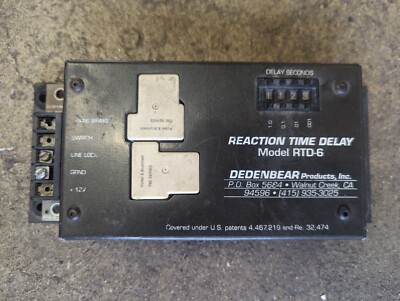
A delay box drag racing unit connects between the driver’s launch button and the vehicle’s transbrake solenoid. When the driver sees the final amber light on the green light, they release the button. The delay box then waits a preset number of thousandths of a second before actually releasing the transbrake. This compensates for the driver’s natural reaction time, making the overall launch perfectly timed to the green light.
Engineering Trust in Delay Box Design
Decades of drag racing experience, expertise, authoritativeness, and trustworthiness back modern delay boxes. These tools were refined and perfected through direct collaboration between professional bracket racers and industry leaders such as Biondo, Dedenbear, and K&R Performance Engineering. Here is what their engineering delivers in practical racing terms:
Adjustable Delay Increments (0.001 to 2.000 seconds) – The ability to dial in delays as small as one-thousandth of a second allows microscopic tuning of your launch. If you consistently cut a .520 light, you add 0.020 seconds of delay to hit the perfect .500. The benefit is eliminating reaction-time variance caused by human inconsistency.
Built-In Practice Mode with Simulated Tree – Many delay boxes feature a built-in practice tree with adjustable pre-stage, stage, and amber timings. You can test your reaction without burning fuel or track time. The benefit is developing muscle memory in the shop between race weekends.
Roll-Out Compensation – Top bulbs on the Christmas Tree trigger when your front tire rolls a specific distance onto the staging beam. Roll-out changes with tire pressure and temperature. Advanced delay boxes allow compensation for variable roll-out. The benefit is maintaining consistent reaction regardless of daily track conditions.
Transbrake and Clutch Release Integration – A quality delay box drag racing unit controls both automatic transbrakes and manual clutch systems. Inputs can be configured for button release, button push, or even foot pedal activation. The benefit is universal compatibility across all bracket car types.
Cross-Talk Filtering – Electrical noise from ignition systems, water pumps, or fans can confuse sensitive delay electronics. High-end units feature filtered inputs that ignore spurious signals. The benefit is reliable operation even in high-electrical-noise environments like a Pro Mod pit area.
Weather and Altitude Memory – Premium units store multiple preset configurations based on air density, track temperature, and altitude. Switch between your summer air and winter air settings instantly. The benefit is arriving at the track and dialing in known good numbers without guesswork.
Legality and Class Restrictions
Not all classes permit a delay box drag racing device. NHRA Super Stock, Stock, and Comp eliminators ban them, relying purely on driver reaction. Bracket classes (Pro, Sportsman, and Street) typically allow any delay box. Always check your specific class rulebook before purchasing. If you race multiple classes, consider a programmable box with legal and non-legal memory slots.
Setting Up Your Delay
Start with zero delay. Make ten practice tree starts and average your reaction time. If your average is .530, set initial delay to 0.025 seconds. This should produce .505 lights. Fine-tune in 0.001 increments. Remember that tire temperature, track glue, and even your own fatigue change your natural reaction by up to 0.015 seconds on any given day. The best racers adjust delay between every round based on these variables.
Want to ensure every part of your cockpit works together? Check out our guide on the S10 drag racing parts for more setup insights.
Common Mistakes
Many new users set delay too high, causing late green lights and losing by thousandths. Others rely entirely on the box without practicing their natural release. A delay box drag racing tool enhances your skill, not replaces it. Also, avoid frequent button switching. Using a different launch button changes your finger travel distance and ruins your timing curve.
Final Gear
Bracket racing rewards the driver who can repeat the perfect run round after round. A delay box drag racing system is not a shortcut to victory. It is a precision instrument that removes human reaction variance while leaving every other driving skill on your shoulders. Used with discipline, adjusted with data, and respected as a tuning tool, a delay box turns a talented driver into a consistent threat on race day. Whether you are chasing a track championship or a Wally trophy, investing time in learning your delay box pays off at the payout window. Stage carefully, dial it in, and cut that perfect light.
For recent post on alabamaracingscene.net