For automotive enthusiasts, a parts car—particularly a third-generation Chevrolet Camaro—represents a goldmine of rare components and nostalgic value. Produced from 1982 to 1992, this era of the Camaro blends classic muscle car design with early muscle’s raw performance, making its parts highly sought after. Whether restoring a vintage Camaro or building a custom project, sourcing a third-gen parts car can be a cost-effective and rewarding endeavor.
Why Third-Gen Camaro Parts Cars Matter
Third-gen Camaros are prized for their iconic styling, including boxy yet aggressive lines, along with their status as a platform for legendary performance upgrades. These cars share components with their predecessors but introduced innovations like the fuel-injected Z28 and the IROC-Z, which are still coveted. Parts cars offer access to original body panels, high-quality sheet metal, and mechanical components that may no longer be manufactured or are too expensive to procure individually. For restorers, this is a chance to complete a project or preserve a vehicle’s authenticity.
What to Look for in a Parts Camaro
When evaluating a third-gen Camaro for parts, focus on its structural health and parts integrity. Inspect for rust, especially on rocker panels, the rear quarter panels, and the frame—common weak points from decades of exposure. Check the engine bay for signs of decay or damage, but remember: the car doesn’t need to run. Prioritize cars with complete body shells and low-impact crash damage, as these yield the most usable parts. Always verify the Vehicle Identification Number (VIN) to confirm original specifications, as high-variance models like the SS or IROC may command higher part values.
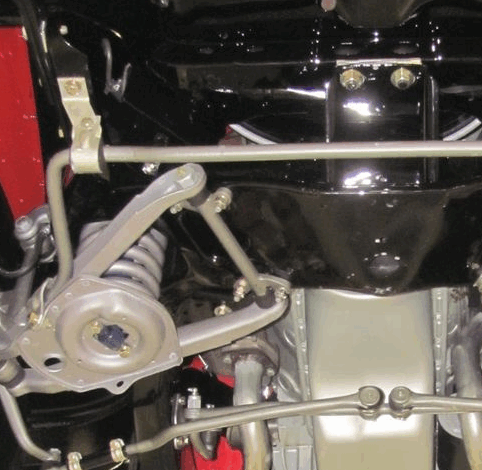
Mechanical components like the THM200-4L60 automatic transmission, original ABC brakes, and suspension parts (especially those from Z-model variants) are gold for enthusiasts. Even broken or non-functional parts can be stripped for rare switches, connectors, or wiring harnesses.
Navigating the Parts Car Market
Buying a parts Camaro requires balancing cost and potential. Auctions, salvage yards, and online marketplaces like Craigslist or Camaro restoration forums are prime hunting grounds. Research market values for both the car and individual parts to avoid overpaying. Keep in mind that shipping costs for a whole car may offset savings. Enthusiasts often share tips on dismantling strategies; for instance, removing the engine and transmission first leaves a chassis full of rare panels.
Restoring Legacy or Chasing Dreams
Third-gen Camaro parts cars are more than just scrap; they’re a gateway to automotive history. Enthusiasts use them to resurrect lost works of art or fuse original parts into modern builds. However, always consider whether investing in disassembly or repair makes sense versus preserving the car’s structural integrity.
A third-gen Camaro parts car offers unparalleled access to a legendary vehicle’s DNA. With careful evaluation and a clear plan, these cars become the cornerstone of restoration projects, ensuring the Camaro’s legacy endures. For those passionate about Chevrolet’s muscle-car heritage, there’s no better time to channel nostalgia into opportunity—one part at a time.