
When researching affordable performance upgrades, a Maxpeedingrods review can help enthusiasts understand how different components fit into a broader vehicle build. Two areas that attract particular attention are suspension and forced induction, making a Maxpeedingrods coilovers review useful for drivers planning a handling-focused project and a Maxpeedingrods turbo review relevant for enthusiasts exploring additional engine performance. MaXpeedingRods currently offers multiple coilover series, including T6 and T7 products, along with street, sport, and standard turbocharger categories.
Maxpeedingrods Review for Performance-Car Builds
A performance build is rarely about a single component. Suspension, wheels, tires, braking, engine tuning, and forced induction can all contribute to the overall driving experience. MaXpeedingRods has developed a broad aftermarket catalog covering these areas, giving enthusiasts multiple options when planning a project.
The company’s current product range includes coilovers, turbochargers, air suspension, control arms, connecting rods, turbo cartridges, and other automotive components.
For Alabama Racing Scene readers, the most interesting areas are the suspension and turbo categories because they directly connect with street-performance and track-oriented builds.
Maxpeedingrods Coilovers Review: Suspension Adjustability
A Maxpeedingrods coilovers review starts with understanding what a coilover system is designed to accomplish. Unlike a conventional suspension setup, an adjustable coilover can give a builder greater control over ride height and suspension settings.
MaXpeedingRods currently promotes several coilover families, including the T7, T6, B3, C1, and C2 series. The company describes its T7 series as intended for street and junior track use, while its broader lineup provides different options for various vehicle applications.
Adjustability can be especially useful for enthusiasts who want to establish a suspension setup around their vehicle, tire selection, driving environment, and personal preferences.
A street car may use a different ride-height and damping setup from a weekend track vehicle. Having adjustable components allows the owner to approach the suspension as part of a complete performance package rather than treating it as a single cosmetic modification.
Maxpeedingrods Coilovers Review for Street and Track Cars
The relationship between suspension setup and vehicle behavior makes coilovers an important component in many performance builds.
MaXpeedingRods has published customer and enthusiast experiences involving its coilovers. One published review covering an 8th-generation Honda Civic describes adjustments to ride height, spring preload, and damping while evaluating the resulting handling characteristics.
The company’s T7 series has also received published feedback from a mechanic working with an E36 platform. That article discusses structural changes to the T7 design and its suspension mounting features.
These examples illustrate why a coilover should be evaluated according to the specific vehicle application. A setup designed for a Civic, BMW, Mustang, or another chassis may use different spring rates, mounting hardware, adjustment ranges, and installation requirements.
Choosing Coilovers for a Performance Project
Before selecting a coilover kit, enthusiasts should confirm vehicle compatibility and identify the intended use of the car.
Important considerations include:
- Vehicle year and chassis
- Front and rear suspension configuration
- Ride-height requirements
- Damping adjustment
- Spring specifications
- Camber adjustment
- Wheel and tire combination
- Street or track use
- Installation requirements
- Alignment requirements
MaXpeedingRods’ current catalog includes vehicle-specific coilover applications for platforms such as Honda Civic, Acura, BMW, Ford Mustang, Subaru BRZ, Scion FR-S, and Toyota 86.
Maxpeedingrods Turbo Review: Exploring Forced Induction
A Maxpeedingrods turbo review requires a different approach because turbochargers are closely connected to engine displacement, airflow requirements, fuel delivery, exhaust flow, engine management, and the desired power range.
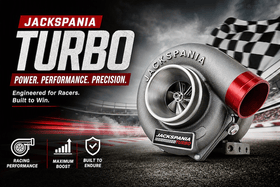
The current MaXpeedingRods lineup includes street, sport, and standard turbo categories. The company also lists turbocharger designs covering different compressor and turbine configurations.
Current product listings include T3/T4 configurations, GT35 and GT3582 turbochargers, GT28-based options, and other applications designed around different engine and power requirements.
This range gives enthusiasts several starting points when planning a turbocharged build.
Matching a Turbo to the Engine
Turbo selection is about matching the component to the complete engine package. Engine displacement, target power, RPM range, fuel system, intercooler, exhaust, intake, and engine management all contribute to the final result.
For example, a turbo selected for a responsive street car can have a different objective from one selected for a higher-power track build. Compressor size and turbine characteristics influence how the turbo works across the engine’s RPM range.
That is why a Maxpeedingrods turbo review should focus on the complete application rather than looking at a turbocharger as an isolated component.
Maxpeedingrods Review: Building a Complete Performance Setup
The most interesting aspect of a Maxpeedingrods review is how the different components can become part of a complete automotive project.
A suspension-focused build might combine coilovers with performance tires, suitable wheels, upgraded brakes, alignment adjustments, and chassis components.
An engine-focused project can combine a turbocharger with an intercooler, suitable exhaust components, fuel-system upgrades, engine management, and supporting engine hardware.
The company’s catalog includes both suspension and forced-induction components, making it possible for enthusiasts to research multiple areas of a performance build through one aftermarket parts ecosystem.
From Street Car to Track-Inspired Build
A street-performance project benefits from planning. The goal is to create a balanced combination where suspension, tires, brakes, and power delivery work together.
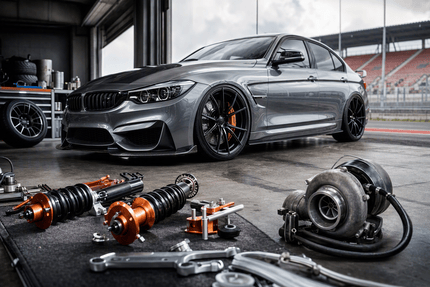
For a handling-focused car, adjustable coilovers can become the foundation for experimenting with ride height and damping. For a turbocharged project, selecting the turbo around the engine’s intended operating range can help establish a coherent power strategy.
This approach is particularly relevant to enthusiasts working on popular tuner platforms such as Honda, BMW, Mustang, Subaru, Toyota, and Nissan vehicles.
What to Consider Before Buying Performance Parts
Before ordering any aftermarket component, verify the exact vehicle application and product specifications. Suspension components require correct fitment, while turbocharger selection requires careful consideration of the complete engine combination.
For coilovers, check the vehicle application, adjustment features, spring specifications, mounting configuration, and alignment requirements.
For turbochargers, check flange configuration, compressor and turbine specifications, oil and coolant requirements, exhaust routing, intercooler compatibility, and the intended engine power range.
These details can make the difference between a simple installation and a carefully planned performance project.
Final Thoughts on Maxpeedingrods Performance Parts
A Maxpeedingrods review covers a broad aftermarket range, with products aimed at enthusiasts working on suspension, turbocharging, and other performance areas. The company’s current lineup includes T6 and T7 coilover families and multiple street, sport, and standard turbocharger options.
For suspension enthusiasts, a Maxpeedingrods coilovers review provides an opportunity to examine adjustability, vehicle compatibility, ride-height goals, and intended driving use. For engine builders, a Maxpeedingrods turbo review provides a starting point for understanding turbo configurations and matching forced-induction hardware to an overall engine strategy.
The best performance build starts with compatibility, clear goals, and careful planning. Whether the project is a daily-driven street car, a weekend tuner build, or a track-inspired vehicle, choosing components according to the vehicle and intended use creates a stronger foundation for the project.