

The Toyota 86 is one of the most popular modern sports coupes for enthusiasts who enjoy modifying their cars. Alongside the Subaru BRZ and the former Scion FR-S, the Toyota 86 mod is around a lightweight chassis, rear-wheel drive, a low center of gravity, and responsive handling. Those characteristics also make it an excellent platform for aftermarket upgrades.
For owners considering Toyota 86 mods, there are many directions to take the car. Some modifications focus on engine performance and horsepower, while others improve handling, braking, appearance, or everyday driving comfort. The best approach depends on how the car is used and what the owner wants to accomplish.
A 2017 Toyota 86, for example, can be built as a comfortable daily driver with improved tires and suspension, or developed into a more aggressive track-focused car with brakes, cooling, forced induction, and additional chassis upgrades.
Best Toyota 86 Mods for Performance
The Toyota 86’s naturally aspirated 2.0-liter boxer engine provides responsive performance, but many owners eventually look for additional power. At the same time, the car’s chassis is capable enough that suspension, tires, and brakes can produce noticeable improvements without adding substantial engine power.
For many drivers, a balanced modification plan is more rewarding than immediately pursuing maximum horsepower.
Common performance upgrades include:
Cold-air intake systems
Exhaust systems
Performance headers
ECU tuning
Suspension upgrades
Coilovers
Performance tires
Lightweight wheels
Brake upgrades
Chassis bracing
Forced-induction systems
Aerodynamic components
The right combination depends on whether the vehicle is primarily used on the street, for spirited driving, or on a race track.
Toyota 86 Engine Performance Modifications
The 86’s naturally aspirated engine responds to several types of modifications, although expectations should remain realistic with naturally aspirated upgrades.
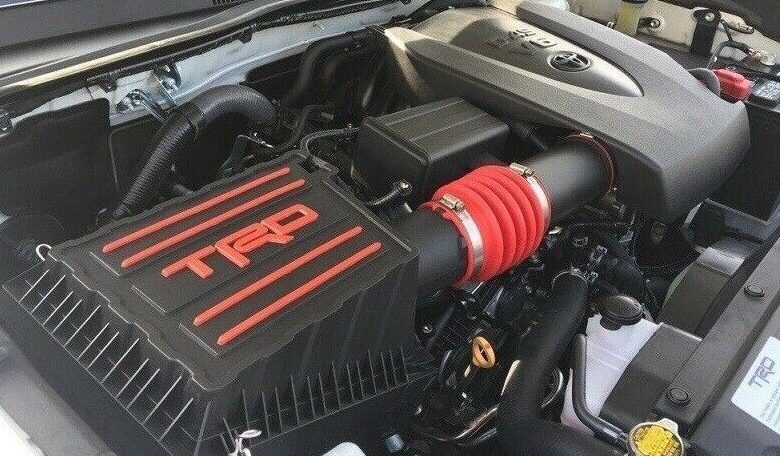
A cold-air intake can change airflow characteristics and throttle response, while a quality intake system may complement other modifications. The actual power improvement depends on the complete setup rather than the intake alone.
Performance headers and exhaust components can also improve exhaust flow. When combined with appropriate tuning, these modifications can help optimize the engine’s operation.
For owners seeking substantially more power, turbocharger and supercharger kits provide a more significant route. Forced induction can produce major horsepower gains compared with basic bolt-on modifications, but it also increases demands on the engine, fuel system, cooling system, clutch or transmission, and tuning.
ECU tuning is particularly important when multiple engine modifications are combined. A calibration designed for the vehicle’s actual hardware can help the engine operate properly with changes to airflow, exhaust, or forced induction.
For owners researching aftermarket parts for the platform, Jackspania Racing reviews can also be useful when comparing available Toyota 86 and related performance applications before choosing a component.
Toyota 86 Exhaust Upgrades
The exhaust system is another popular area for Toyota 86 modifications.
A performance cat-back system can reduce weight, change the exhaust note, and potentially improve exhaust flow. Different systems can produce very different sound levels, so owners should consider whether the car is primarily a daily driver or a track vehicle.
Headers can provide additional changes to exhaust flow and may be combined with engine tuning and other modifications.
Some aggressive exhaust modifications can create excessive noise or emissions-related problems depending on local regulations. Removing or modifying emissions equipment may also make a vehicle unsuitable for road use in some jurisdictions.
For a street-driven 86, a balanced exhaust system is generally more practical than choosing the loudest available setup.
Toyota 86 Suspension and Handling Mods
The Toyota 86 already has a strong reputation for handling, which makes suspension upgrades particularly popular.
Coilovers allow owners to adjust ride height and, depending on the system, damping. A properly selected coilover setup can improve cornering response while allowing the suspension to be tailored to the vehicle’s intended use.
Performance springs can provide a simpler alternative for owners who want a lower stance without the adjustability of coilovers.
Sway bars can alter the car’s handling balance and reduce body roll. Bushings and other suspension components can also change steering response and chassis feel.
Alignment is equally important. Adjusting camber and toe can help optimize tire contact and handling, particularly on cars used for spirited driving or track days.
However, an aggressive alignment that works well on a race car may cause increased tire wear on a daily driver.
Wheels and Tires for Toyota 86
Among all Toyota 86 upgrades, tires are arguably one of the most important places to start.
High-performance tires can provide more grip, shorter braking distances, and greater confidence through corners. They can also make the effects of other suspension modifications more noticeable.
Lightweight wheels can reduce unsprung mass and rotational weight. The result can be a more responsive steering and suspension feel.
Wheel size should be selected carefully. Larger wheels may provide an aggressive appearance, but excessive wheel weight or an unsuitable tire setup can negatively affect ride quality and responsiveness.
Rather than choosing wheels based entirely on appearance, owners should consider wheel width, offset, weight, tire size, clearance, and intended use.
Toyota 86 Brake Upgrades
Braking becomes increasingly important as performance increases.
For normal street driving, high-quality brake pads, suitable rotors, and fresh brake fluid may provide a significant improvement without requiring a complete big-brake conversion.
Track-focused drivers may benefit from higher-temperature brake pads, improved fluid, cooling solutions, or larger brake systems.
Big-brake kits can provide additional thermal capacity and consistency under demanding conditions. However, they can also increase cost and may require compatible wheels.
The ideal brake setup should therefore match the vehicle’s actual use. A daily driver does not necessarily need the same braking hardware as an 86 regularly used on a race circuit.
Toyota 86 Aerodynamic Modifications
Exterior modifications can improve both appearance and, when properly designed, aerodynamic performance.
A front splitter can influence airflow around the front of the vehicle, while a rear spoiler or wing can contribute to high-speed stability. Diffusers and side skirts can also change the airflow around the car.
Not every aerodynamic part provides a measurable performance benefit. Some components are primarily cosmetic, while functional track-oriented aero requires careful attention to balance and installation.
For street cars, subtle aerodynamic modifications may provide the desired appearance without introducing unnecessary weight or complexity.
Exterior Toyota 86 Mods
There are many ways to modify the exterior of a Toyota 86.
A TRD-style body kit or another professionally designed aftermarket kit can give the car a more aggressive appearance. Front and rear bumper changes, side skirts, spoilers, and other body components can transform the visual character of the vehicle.
Lighting is another common modification. Headlights and taillights can change the appearance of the 86, although lighting components should remain compliant with applicable road regulations.
A carbon-fiber hood can reduce weight compared with some factory components while also changing the appearance of the engine bay. However, construction quality and proper installation are important when choosing lightweight body components.
Widebody conversions are another option for enthusiasts who want a more dramatic build. A widebody setup can allow wider wheels and tires, but it may require additional bodywork, suspension adjustments, and careful wheel fitment.
For example, enthusiasts interested in more extensive 86/FR-S/BRZ styling can explore this Toyota GT86, Scion FR-S and Subaru BRZ Rocket Bunny modification guide.
Toyota 86 Interior Modifications
Interior modifications can improve both appearance and driving experience.
Performance-oriented owners may consider supportive bucket seats, a sport steering wheel, additional gauges, or other driver-focused equipment.
A properly fitted performance seat can provide greater support during aggressive driving, although street use requires attention to comfort and safety.
Owners of compatible automatic versions may also consider paddle-shifter-related upgrades. Interior changes should ideally improve usability rather than simply adding visual accessories.
Window tint is another popular modification, but tint levels should comply with local laws.
2017 Toyota 86 Modified: Where Should You Start?
A 2017 Toyota 86 modified for street use does not need an extreme build to become more enjoyable.
A sensible starting point could be:
High-quality performance tires
Appropriate wheels
Brake pads and fluid
Alignment
Suspension upgrades
Exhaust or intake modifications
ECU tuning
Additional engine upgrades
This order is not universal. Owners who already have suitable tires and brakes may prioritize suspension, while someone focused on straight-line performance may have different priorities.
The important point is to build the vehicle progressively and make sure each modification works with the rest of the setup.
Best Toyota 86 Mods for Daily Driving
Daily-driven cars benefit from modifications that improve performance without sacrificing reliability or comfort.
Good choices can include performance tires, moderate suspension improvements, quality brake pads, a sensible exhaust, and carefully selected wheels.
An excessively stiff suspension can make a car uncomfortable on poor roads. Extremely loud exhaust systems can also become tiring during long drives.
For a daily driver, the best Toyota 86 upgrades are usually those that provide noticeable improvements while maintaining the characteristics that make the car practical.
Best Toyota 86 Mods for Track Performance
Track-focused builds have different priorities.
Tires, brakes, suspension, cooling, and driver control become increasingly important as lap speeds increase.
A track-oriented 86 may eventually benefit from:
Track-focused tires
Adjustable coilovers
Performance alignment
High-temperature brake pads
High-temperature brake fluid
Brake cooling
Additional cooling capacity
Lightweight wheels
Supportive seats
Chassis reinforcement
Aero components
Engine power upgrades
Power should not necessarily be the first modification. A car with modest horsepower but excellent tires, suspension, and brakes can be extremely capable on a road course.
Toyota 86 Modification Order
There is no single perfect modification order, but a balanced build generally starts with the areas that improve control.
For many owners, the progression can look like:
Tires → brakes → alignment → suspension → intake/exhaust → tuning → forced induction
This approach allows the chassis to remain capable as engine performance increases.
Once substantial power is added, supporting modifications become increasingly important. Cooling, fuel delivery, clutch or transmission capacity, and drivetrain components may need to be considered depending on the power level.
Toyota 86 Performance: Naturally Aspirated vs. Forced Induction
One of the biggest decisions for owners is whether to retain the naturally aspirated engine or add forced induction.
Naturally aspirated modifications generally preserve the original character of the engine. Intake, exhaust, headers, and tuning can refine the driving experience without fundamentally changing the power delivery.
Turbochargers and superchargers offer a much larger potential increase in power, but they introduce additional complexity.
A forced-induction build should be approached as a complete system. Engine condition, fuel delivery, tuning, cooling, drivetrain components, and maintenance requirements all become increasingly important.
For some owners, keeping the 86 naturally aspirated provides exactly the type of lightweight, responsive driving experience they want.
Toyota 86 Mods and Reliability
Every modification introduces some degree of change to the original vehicle.
Simple upgrades such as tires and brake pads generally have different reliability considerations from a heavily modified forced-induction engine.
Before installing a performance component, owners should consider whether it has been designed for their specific application and whether supporting modifications are necessary.
Installation quality is also critical. Incorrect fitment, poor wiring, inadequate clearances, improper alignment, or unsuitable tuning can create problems regardless of how good the underlying component may be.
For a daily driver, reliability should remain an important part of the modification strategy.
How Much Do Toyota 86 Upgrades Cost?
The cost of modifying a Toyota 86 varies dramatically depending on the goal.
A relatively inexpensive build can focus on tires, brake pads, alignment, and minor cosmetic improvements.
A more advanced build may include coilovers, lightweight wheels, exhaust components, tuning, and additional chassis upgrades.
A serious performance build involving forced induction, upgraded cooling, fuel-system changes, brakes, suspension, and drivetrain components can cost considerably more.
It is therefore useful to establish a budget before purchasing parts. Owners should also account for installation, tuning, replacement components, and maintenance rather than calculating only the advertised price of each modification.
Toyota 86 Mods: What Should You Avoid?
Not every modification advertised for the 86 is necessarily worthwhile.
Avoid choosing components solely because they are popular on social media. A part that works well for one build may not suit another.
Extremely cheap components can also create problems if construction quality, fitment, or supporting hardware is poor.
Owners should be particularly careful with modifications that affect braking, steering, suspension, fuel delivery, engine calibration, or emissions equipment. These systems can have significant safety, reliability, or legal implications.
Research the component, verify compatibility, and understand the installation requirements before making a major change.
Final Thoughts on Toyota 86 Mods and Upgrades
The Toyota 86 is an excellent platform for modification because its lightweight rear-wheel-drive chassis responds well to improvements in tires, suspension, brakes, power, and aerodynamics.
The best Toyota 86 mods depend on the owner’s objectives. A daily driver may benefit most from tires, brakes, suspension, and moderate engine upgrades, while a track car can justify more aggressive suspension, cooling, braking, aerodynamic, and power modifications.
For a 2017 Toyota 86, the smartest approach is usually to build progressively rather than changing everything at once. Start by identifying the vehicle’s purpose, establish a budget, and prioritize modifications that complement each other.
Whether the goal is a sharper street car, a modified show vehicle, or a capable track machine, thoughtful Toyota 86 upgrades can improve the driving experience without losing the qualities that made the 86 appealing in the first place.