
The Complete Guide to Street Racing: Culture, Risks, and Legal Alternatives
Street racing is one of the most misunderstood and controversial subcultures in motorsport. For some, it represents freedom, skill, and the raw thrill of speed. For others, it is a reckless and deadly activity that endangers innocent lives. The truth, as with most things, lies somewhere in between. This pillar guide serves as your comprehensive entry point into the world of street racing—from the cars and culture that define it to the very real dangers and the growing push for legal alternatives. Whether you are a curious enthusiast, a concerned parent, or a racer looking for a safer path, this page will connect you to everything you need to know.
What Is Street Racing?
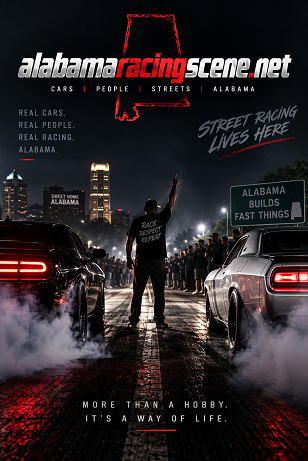
Street racing is the illegal practice of racing vehicles on public roads. It takes many forms. The most traditional is the straight-line drag race, often organized spontaneously on highways or industrial roads late at night. But the scene has evolved. Modern street racing includes roll racing, where cars begin from a rolling start to reduce traction issues, and highway pulls, impromptu acceleration contests between moving vehicles. A more recent and dangerous variant is the street takeover, where large crowds block intersections to watch drivers perform stunts like donuts and drifting .
The culture surrounding street racing is diverse. It includes JDM enthusiasts with turbocharged imports, American muscle car owners wielding V8 power, and even exotic car owners seeking adrenaline. What unites them is a passion for cars and a desire to push limits—but the setting they choose makes all the difference.
The Risks: Why Street Racing Is Dangerous
The statistics are sobering. According to AAA, nearly 75% of drivers report seeing some form of street racing in the past year, and almost half believe it is a growing problem . The consequences are not abstract. In California alone, street racing and takeovers have been linked to at least 264 crashes, 124 serious injuries, and 30 fatalities . Nationally, street racing behaviors were present in 25% of deadly crashes involving drivers under 25 .
The dangers are inherent to the environment. Public roads are not designed for racing. There are pedestrians, unexpected intersections, potholes, and other drivers who are not participating. Street cars lack the safety equipment of dedicated race cars—no roll cages, no fire suppression, no emergency crews on standby. When a crash happens at triple-digit speeds, the results are often catastrophic.
The Legal Consequences: What Happens If You Get Caught
Law enforcement and legislators are cracking down. In Texas, street racing is a Class B misdemeanor for first-time offenders, with fines up to $2,000 and potential jail time. Repeat offenses can escalate to felonies. Spectators are not immune; many states have passed laws allowing for the arrest of organizers, promoters, and even bystanders who encourage the activity .
Alabama, where our site is based, has specifically targeted exhibition driving. Under HB 29 (2023), causing severe injury during an exhibition driving event is a Class C felony with a two-year license suspension. If a death occurs, the driver faces a Class B felony. Vehicles involved can be impounded, and the registered owner is responsible for all fees—regardless of who was driving .
The message from lawmakers is clear: participation, organization, and promotion of illegal street racing carry real consequences.
The Cars and Hardware: What Makes Street Racers Tick
The street racing scene has always been defined by its cars. From the legendary Nissan Skyline GT-R and Toyota Supra to the ubiquitous Honda Civic and Ford Mustang, the platforms are as diverse as the people who drive them. Japanese street racing cars, in particular, hold a special place in the culture, representing a golden era of tunable, over-engineered machines.
But the hardware goes beyond the car itself. Street racing tires are the single most important upgrade for putting power to the ground. Street racing wheels affect weight, strength, and fitment. And for those running serious power, a properly built engine and drivetrain are essential. Our site has detailed guides on all of these topics—from choosing the right drag radials to understanding what makes a Japanese street racing car so special.
The Legal Alternative: Track Racing and Street Legal Programs
The most important message in this guide is that there is a safer, legal way to enjoy the thrill of racing. Sanctioned drag strips, like the one in Montgomery, Alabama, offer a controlled environment with proper safety measures, emergency personnel, and a community of like-minded enthusiasts. You can race your car without risking your life, your license, or your future.
The NHRA has also recognized the need to bridge the gap between street cars and the track. Their Street Legal program allows modern, high-performance production cars—including Shelbys, Corvettes, Demons, and Teslas—to run as quick as 9.00 seconds in the quarter-mile at NHRA member tracks, with minimal modifications and full street legality . This program is designed specifically to give street racers a place to race legally.
For those in the Houston area, the push for legal alternatives is growing. Organized roll racing events, track days, and advocacy for a permanent motorsport venue are all part of the solution.
Explore Our Street Racing Cluster Articles
This pillar page is your starting point. For deeper dives into specific aspects of the street racing world, explore our related articles below:
- Street Racing Tires: The Complete Guide — Everything you need to know about compounds, fitment, and safety.
- Street Racing Wheels: Performance, Fitment, and Safety — Choosing the right wheels for your build.
- Japanese Street Racing Cars: Icons, Culture, and Performance — The legends of the JDM scene.
- Best Street Racing Cars: A Platform Guide — From beginner builds to serious performance machines.
- Street Racing in Houston Texas: Culture, Risks, and Legal Options — A local look at the scene and its future.
- The Legal Risks of Houston Street Racing — Understanding the consequences in Texas.
The Bottom Line
Street racing is a complex topic. It is a culture built on passion, skill, and a love for cars. But it is also an activity that kills people and ruins lives. The solution is not to ignore the culture or pretend it does not exist. The solution is to redirect that passion toward safer, legal avenues—where the thrill of racing can be enjoyed without the devastating consequences.
Whether you are here to learn about the cars, understand the risks, or find a legal place to race, we hope this guide helps you make informed and responsible choices. The track is waiting. The street is not worth it.